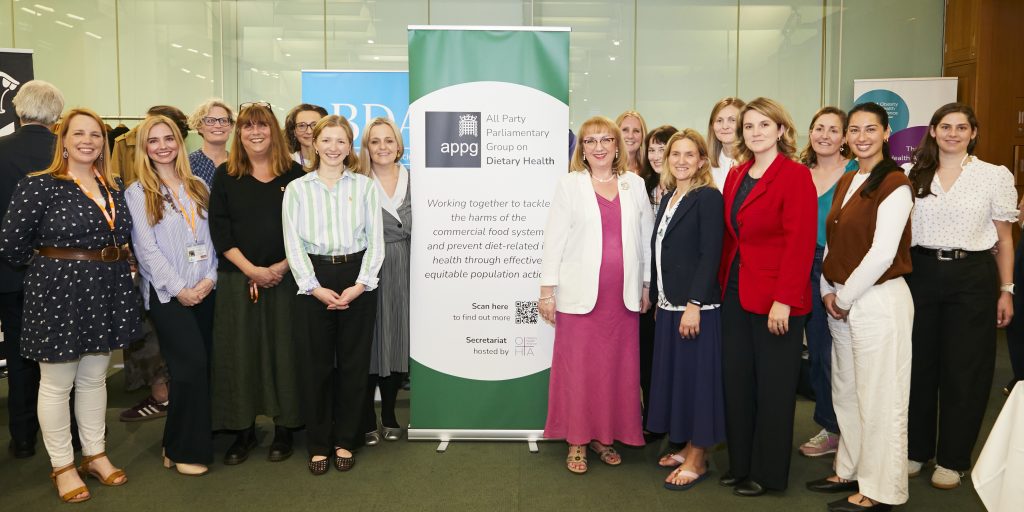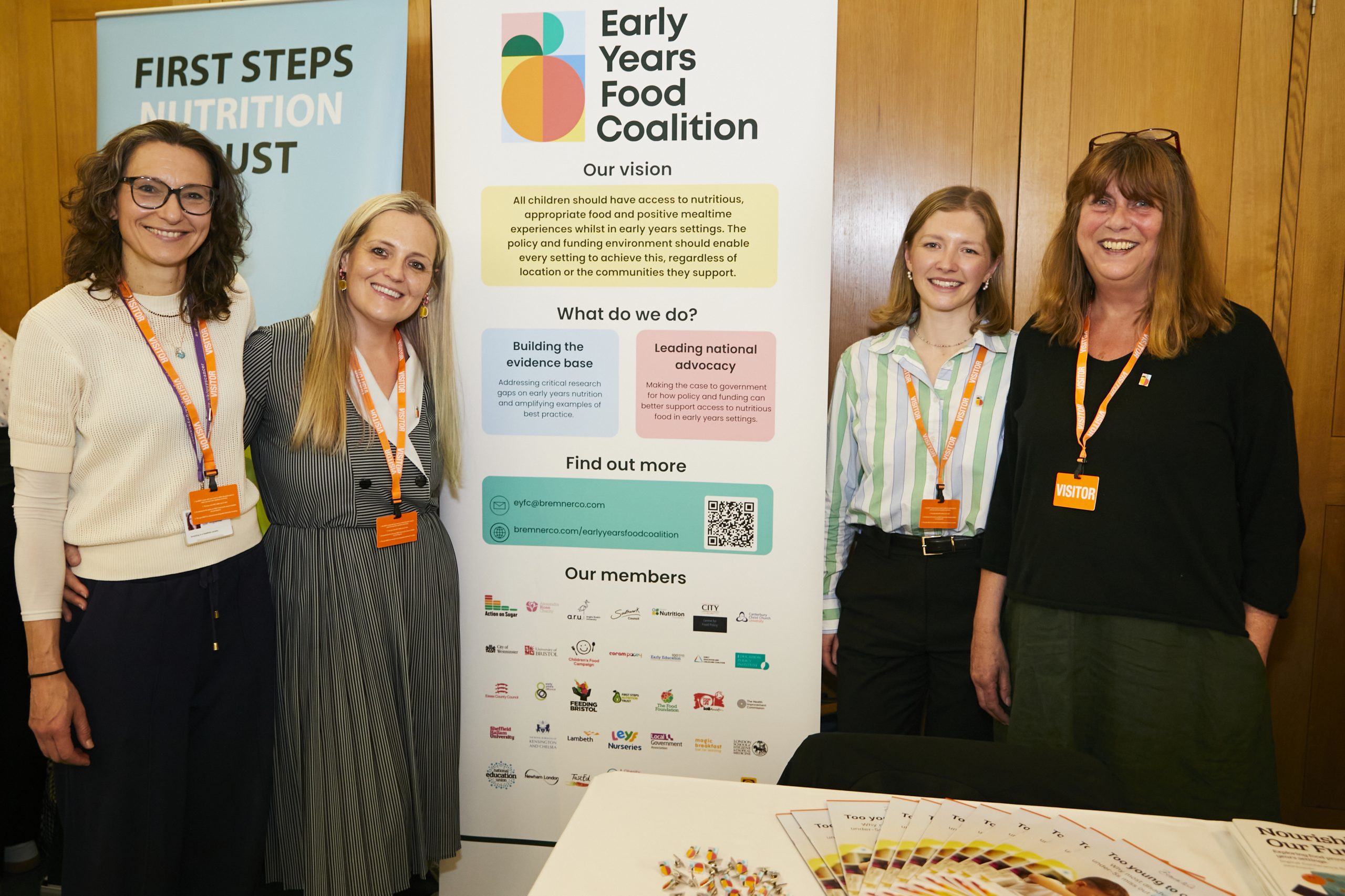
Rosie Osborne and Dayna Brackley were pleased to represent the Early Years Food Coalition in joining MPs, Peers, charities, academics and campaigners at Portcullis House last week, for the launch of the new All Party Parliamentary Group on Dietary Health; alongside Carole Coulon of Impact on Urban Health who fund the Coalition.
Perina Holness, Headteacher of the Thomas Coram Centre and a member of our new Practitioner Advisory Group, joined the event too and spoke powerfully about what the lack of early years food funding means in practice for practitioners, parents and young children.
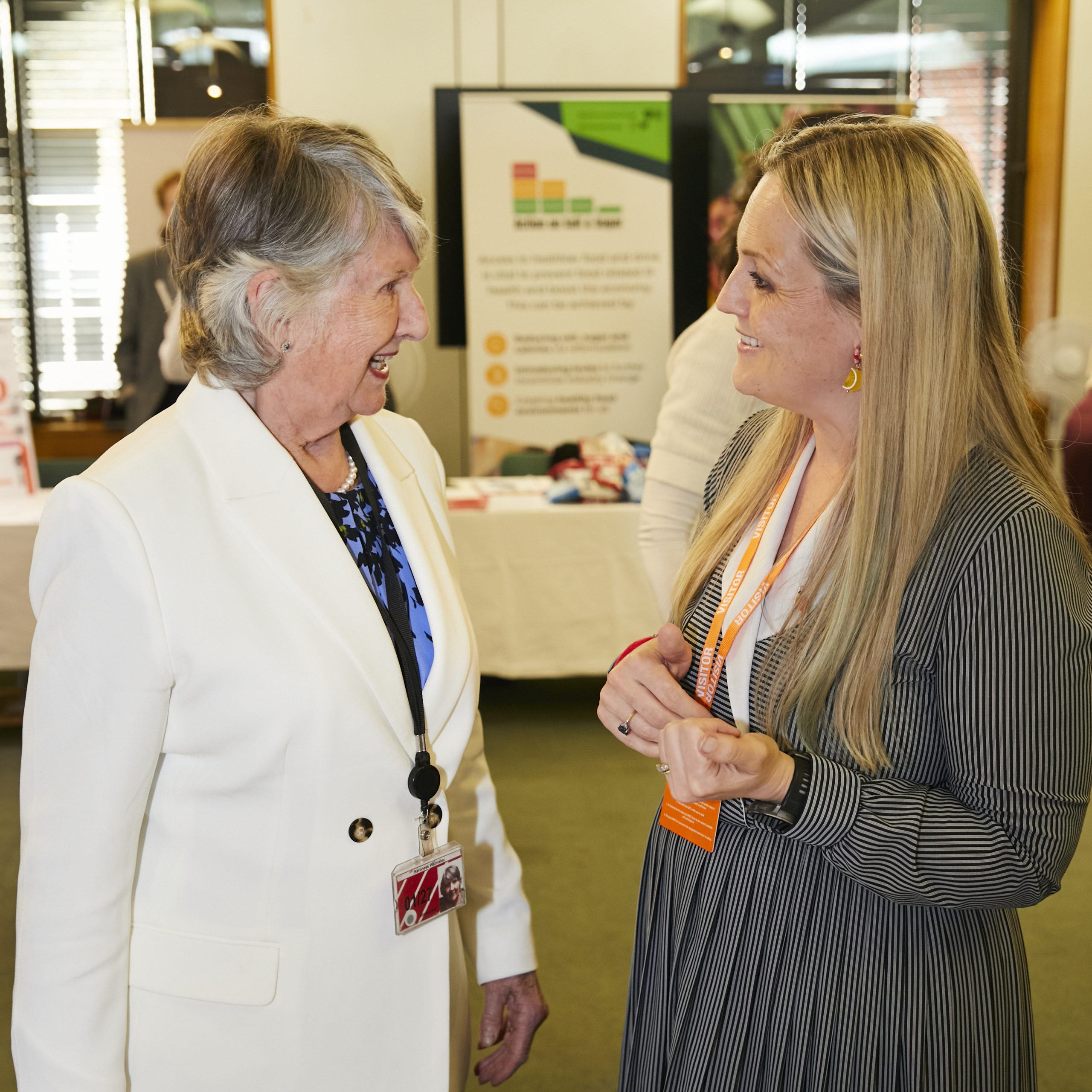
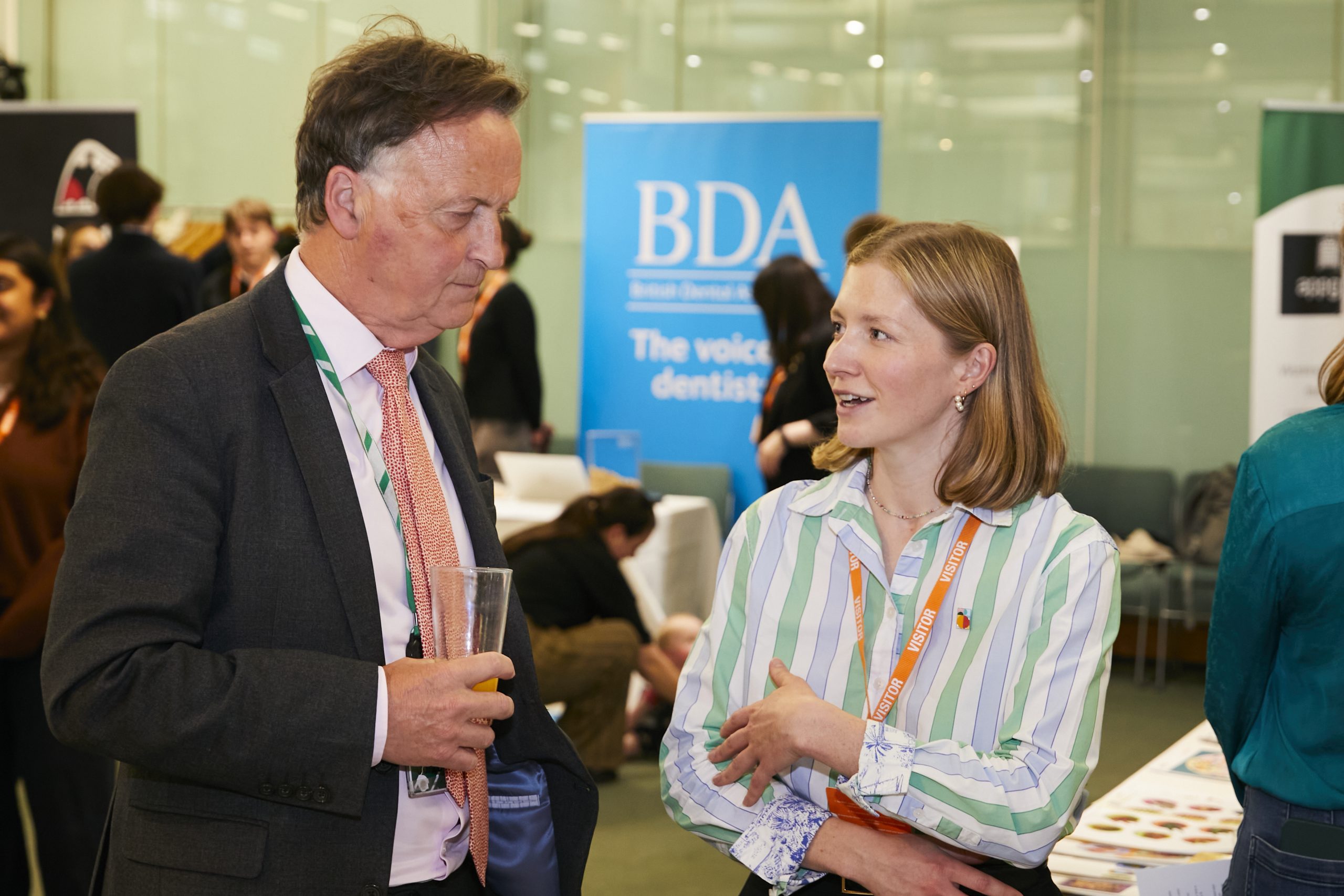
The new APPG is co-chaired by Marie Goldman MP and Jim Dickson MP, with support from Health Minister Sharon Hodgson MP. The Coalition team were pleased to speak with all three at the launch, in conversations that showed real interest in how early years nutrition fits into the wider dietary health and prevention agenda. The event was coordinated by the Obesity Health Alliance.
The Coalition attended to bring an early years perspective into a dietary health conversation that often starts later, once children are already in school.
Food habits, preferences and experiences begin long before reception, so it is integral to include these years in any intervention to affect children’s dietary health. Yet for the families and early years practitioners who see this every day, there is still a lack of support around food in the early years compared with when children reach reception.
The expansion of free school meals for children on Universal Credit is welcome, and will make a real difference for many children and families. But before children reach school, there is still a stark inequity in the support available for food in early years settings compared with schools. This was the focus of our ‘Too young to count’ report, which looks at how gaps in early years food support risk deepening health and development inequalities before children even start reception, and makes the case for greater parity with schools, underpinned by practical nutrition standards, effective monitoring and proper training for early years staff.
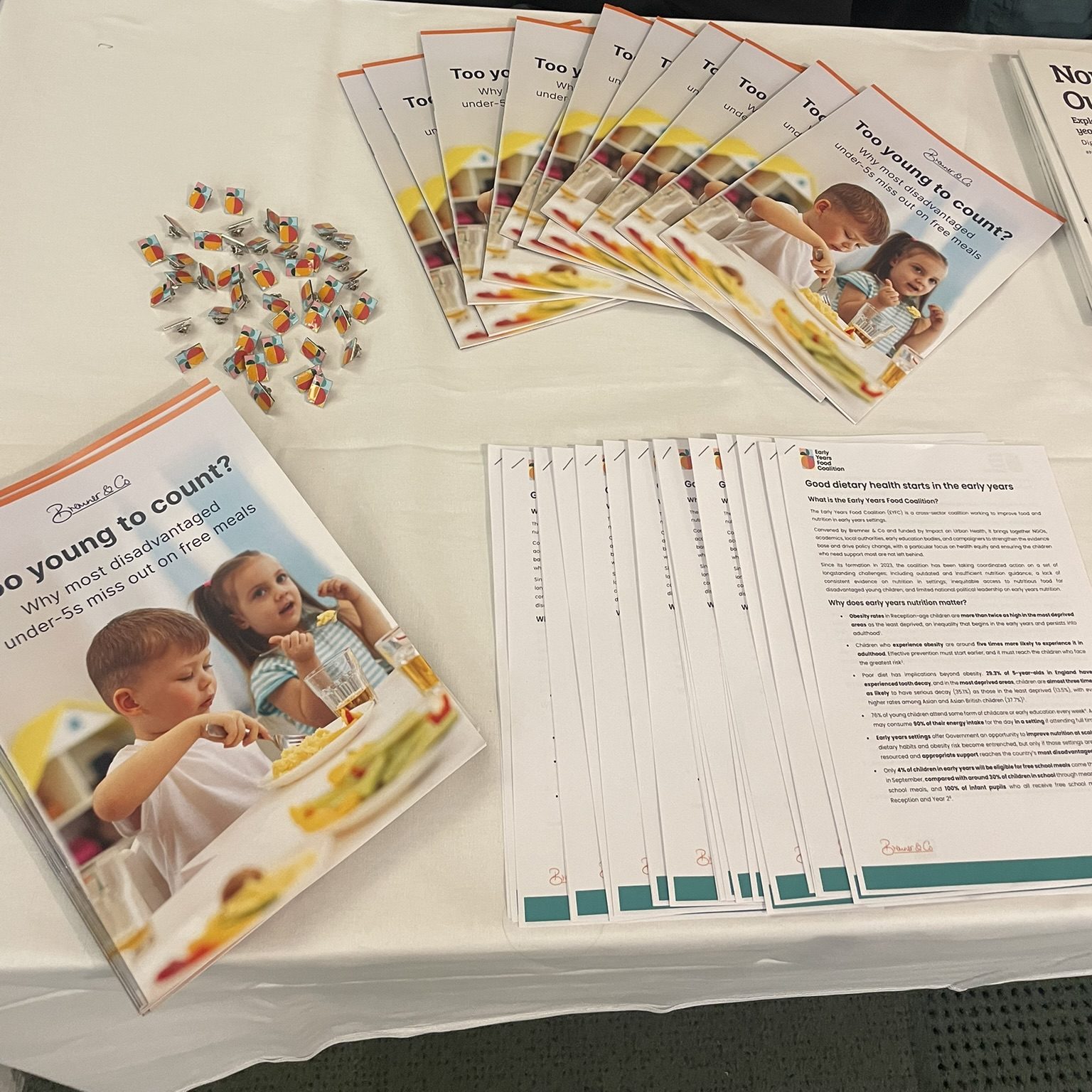
Whilst eligibility is also expanding to more children who attend school-based nurseries, those who attend the 85% of places provided by private, voluntary and independent settings in England remain ineligible. There is also no early years equivalent of the School Fruit and Vegetable Scheme.
In practice, this uneven support is felt by families and early years providers every day. Providers are left to cover rising food costs or ask parents to pay more, while families face the same rising costs for food that would be funded once their children reach school. It also means children can miss out at the stage when food and nutrition are already shaping health, development and readiness to learn.
It was encouraging to see dietary health being taken seriously across parties, and to hear discussion about how commitments in the NHS 10 Year Plan can move into practical action.
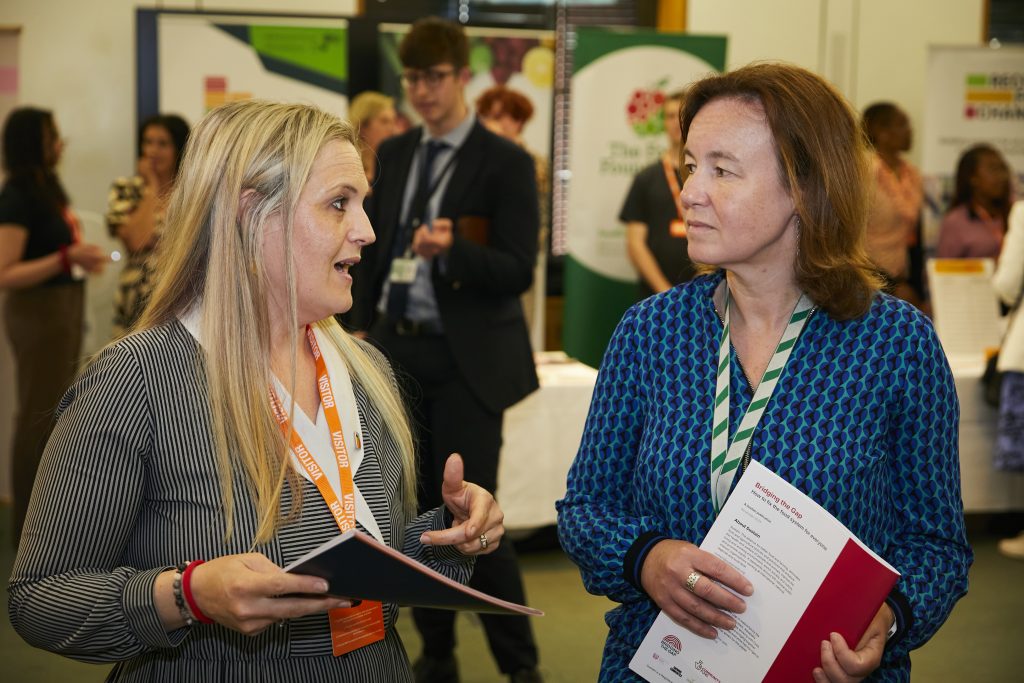
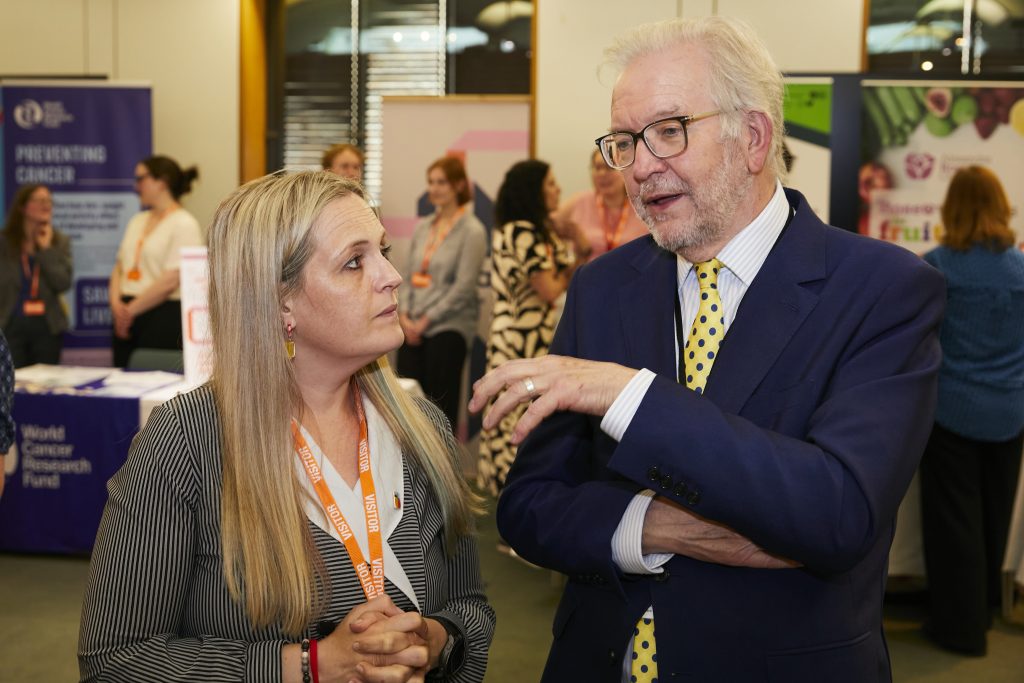
We participated alongside coalition members working across children’s food and nutrition, including Action on Salt & Sugar, Alexandra Rose Charity, First Steps Nutrition, The Food Foundation, HENRY, Nourishing Our Future, Sustain, and wider partners across the food and public health system.
The launch was a powerful starting point and we look forward to continuing the conversation on the importance of food in early years settings as the APPG begins its work on wider population dietary health and the interventions that make a difference.
To keep up to date with the APPG, read more from the Obesity Health Alliance here.