
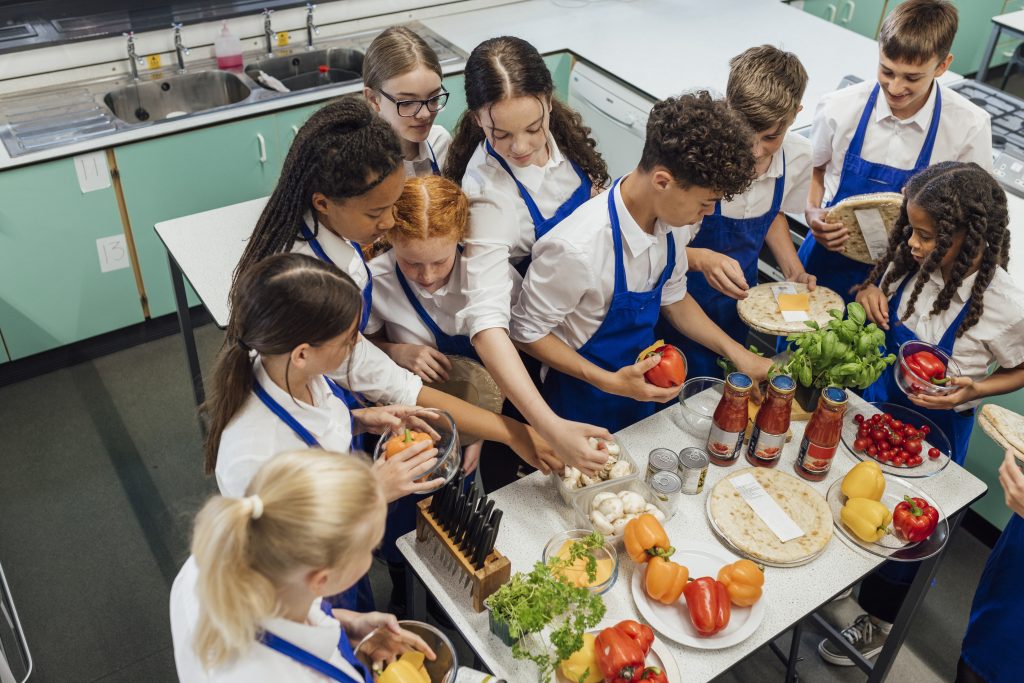
Ask almost any parent whether cooking is an important life skill and they will say yes. Ask their child and you will get the same answer. New national polling from The School of Artisan Food’s Best Food Forward programme suggests that 97% of parents and 91% of young people consider cooking healthy meals and making good food choices essential or important. The agreement is remarkable and the gap that follows is equally so.
Fewer than half of young people in England report receiving dedicated curriculum time for food education.
That figure sits at the heart of Hungry for Change, a major new report published today by Best Food Forward with research from Public First. It draws on polling of over 2,000 parents and 2,000 young people aged 11 to 18 and what it finds is a system that has broadly stopped trying to keep pace with what families actually want.
The inequality is specific, and it matters
This is not a uniform problem. It is a deeply unequal one. Children from households earning under £45,000 are 24% less likely to receive dedicated food education than those from households earning six figures. State comprehensive pupils are 24% less likely to receive it than those in private schools. Access in London runs at 58%. In Yorkshire and the Humber, it drops to 40%.
Food education, in other words, is currently a postcode and income lottery. The children who already face the steepest barriers to good health and independence are disproportionately the ones missing out on the knowledge and skills to address it.
The post-16 cliff edge
Even for young people who do receive food education, it tends to vanish at the worst possible moment. At ages 11 to 12, 56% of young people have access to dedicated food learning. By 17 to 18, that figure is just 32%.
That is the period when students are moving towards independent living, considering careers, and making food decisions for themselves. The National Curriculum only mandates food education up to Key Stage 3, and the absence of formal assessment pathways at A-level has left provision at the post-16 stage to chance. The report calls for the Food A-level to be restored as part of the government’s review into Level 3 qualifications.
High ambition, low confidence
The polling captures something else worth sitting with. Only 22% of parents believe that children nationally can cook and prepare meals well from fresh ingredients. There is a widespread, shared sense that something has quietly eroded.
Young people from lower-income households are more than 10% less confident preparing food independently than their more affluent peers. The confidence gap tracks the provision gap almost exactly. That is not a coincidence.
A pivotal moment — if the opportunity is taken
Government is today announcing bold plans to halve the attainment gap – investing more to support those who are most disadvantaged.
And – government investment in school food is growing. Breakfast clubs, expanded free school meals, revised food standards mean that there is real momentum here. The Hungry for Change report makes the case plainly: provision alone will not build capability. If public investment in school food is to have lasting impact on health, wellbeing and independence, it has to be accompanied by high quality food education.
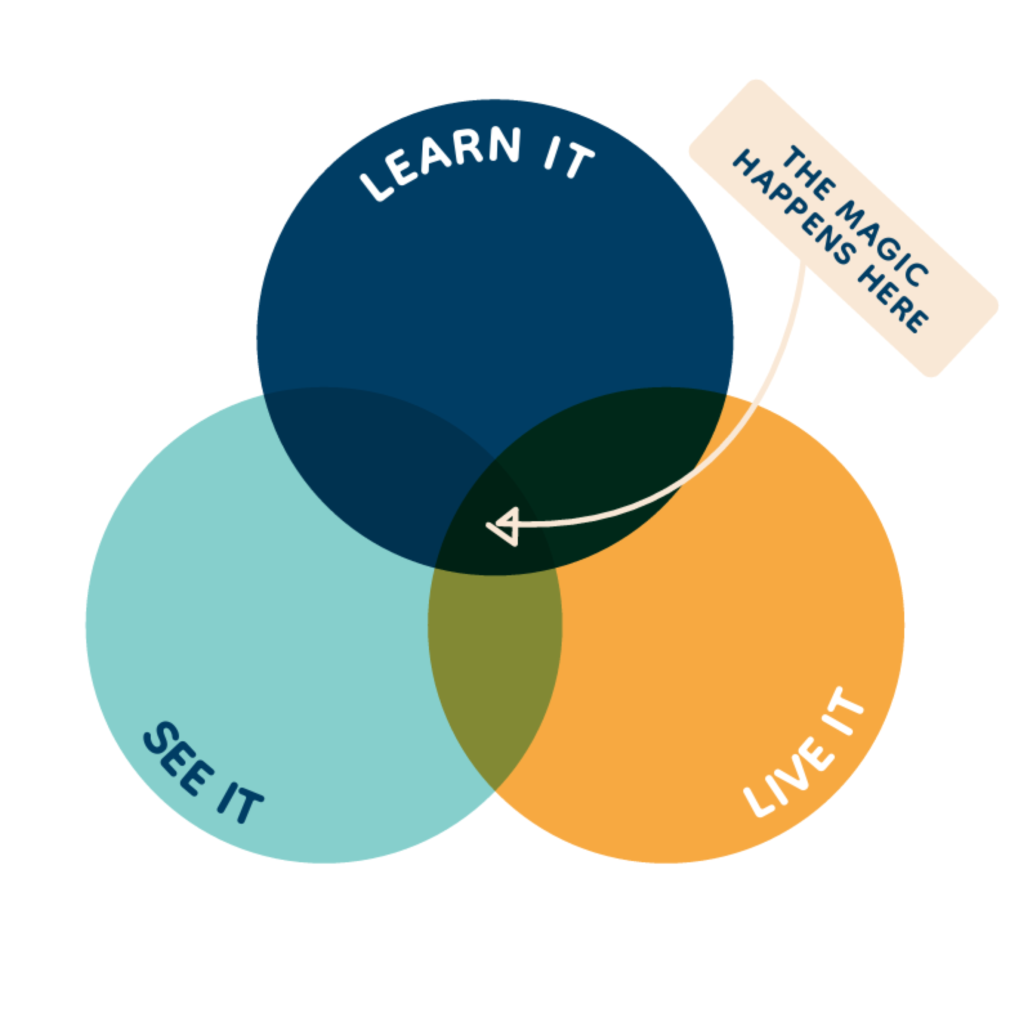
The report’s central framework, ‘Learn it, See it, Live it’, captures what the evidence from the preceding Food Education Mapping Project consistently showed: food education is most effective when it runs across curriculum, culture and practice. Not as a standalone lesson timetabled once a fortnight, but as something woven into school life.
Its specific asks of government are practical:
- Make food a core subject across Key Stages 1 to 4;
- Require multi-academy trusts and local authorities to appoint specialist food education leads;
- Restore formal pathways to food-related qualifications at Level 3, including a Food A-Level.
Why this report matters beyond the sector
We work with organisations across food, health, education and public policy. What strikes us most about Hungry for Change is not any single statistic but the combination of near-universal public support and fragmented, unequal delivery. That pattern is a recurring feature of areas where policy has drifted rather than been directed.
The polling gives advocates and policymakers something concrete to work with. This is not a niche issue with a niche audience. It is a topic that parents and young people across income levels and regions already care about. What has been missing is the evidence base and the platform to say so clearly.
This report provides both.