
The Bremner & Co team didn’t let the heat stop us getting out and about at lots of brilliant events in June and July. These took us to allotments, conference halls and Parliament, bringing conversations on getting British-grown produce onto school plates, making childcare support easier for families, and helping convenience stores do more to support healthy eating. We also launched some new tools and programmes we’re proud of, celebrated a few hard-won policy wins, and had a fantastic time testing friends’ and partners’ food policy knowledge in our inaugural ‘Big Food Policy Quiz’. Here’s a look back at what we’ve been up to over these Summer months.
The inaugural Bremner & Co Food Policy Quiz Night, 3rd June
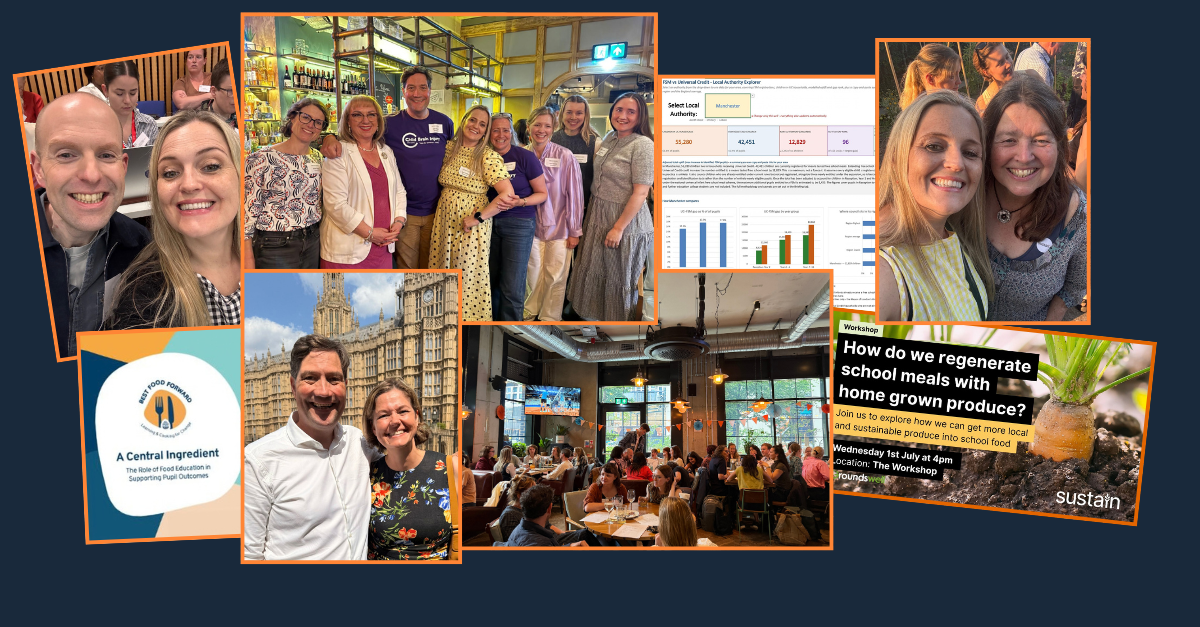
The Bremner team held our inaugural Food Policy Quiz Night; a joyful evening bringing together friends and colleagues from across the sector to test their knowledge and raise funds in support of Child Brain Injury Trust. Highlights included a quick-fire warm-up round on beans and a picture round challenging teams to identify famous food policy noses. A huge thank you to Sharon Hodgson MP for joining us as our special guest and raffle drawer, and to our generous raffle donors who helped make the fundraiser a resounding success.
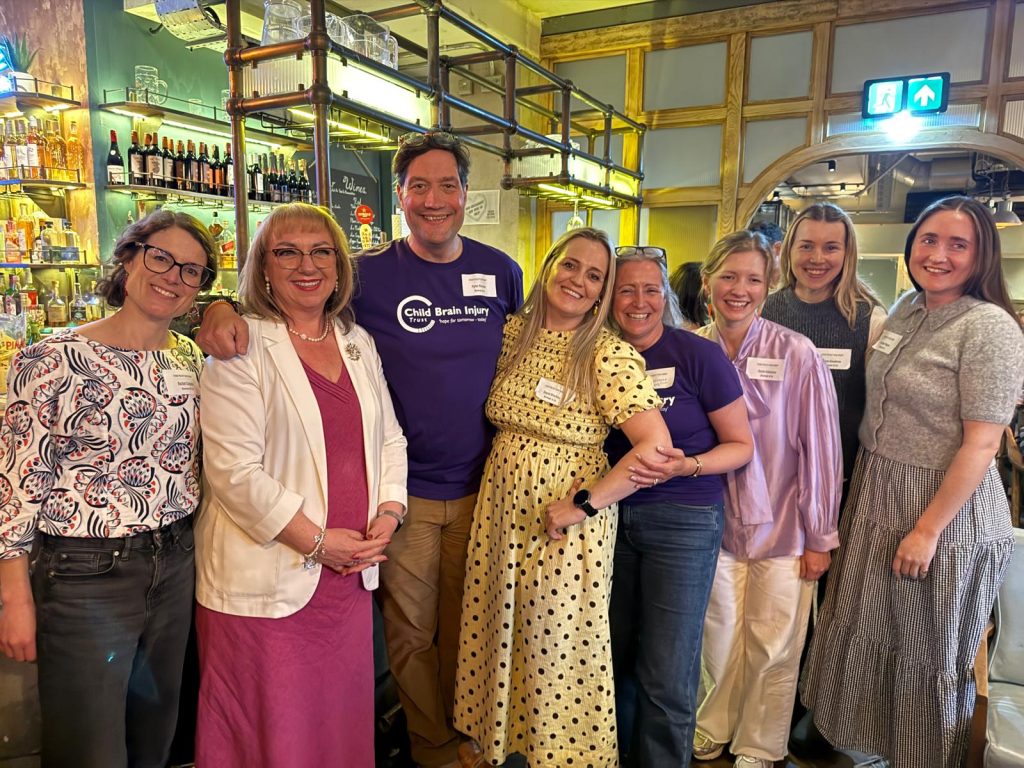
Left: The Bremner & Co team pictured with Sharon Hodgson MP and Steph of Child Brain Injury Trust
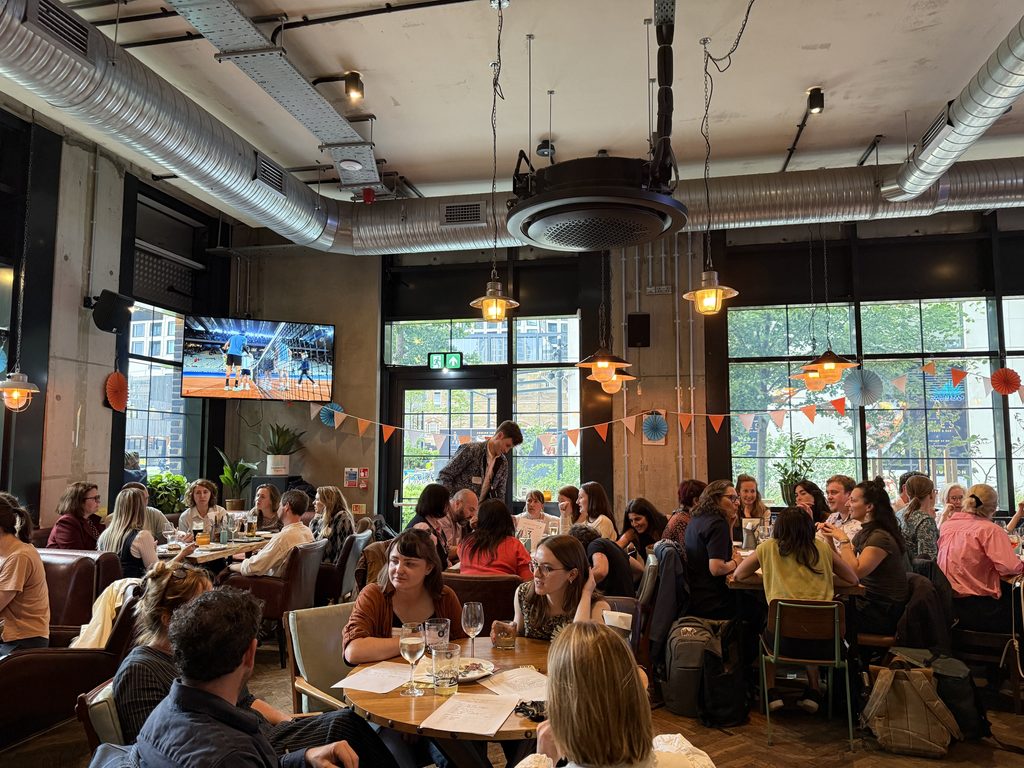
Right: Our guests mid-quiz at Bremner & Co’s inaugural Food Policy Quiz Night
Attending the launch of the latest Broken Plate Report, 10th June
Myles attended the launch of the latest Broken Plate report from The Food Foundation. As discussions continue ahead of the proposed updates to the School Food Standards, the report reinforced the importance of school food as one of government’s most powerful policy tools to ensure every child has access to a nourishing meal, regardless of their circumstance and background. Whilst the standards set the bar for healthier diets, the next challenge is to ensure schools, caterers, parents and children are brought along in this journey, and the importance of a whole school approach and effective food education will be integral to this end.
Convenience stores are key: their role in a healthier and more sustainable future, City St George’s Food Policy Symposium, 11th June
With more than 50,000 convenience stores across the UK, they are a regular part of how many people shop for food. Nearly half of all spending in independent convenience stores goes on high in fat, salt or sugar (HFSS) products, yet they remain largely overlooked in policy conversations around supporting healthier and more sustainable diets.
Dayna and Rob attended City St George’s Food Policy Symposium, where speakers highlighted the need to recognise convenience stores for their essential role in supporting healthy and more sustainable diets. A highlight was hearing directly from young people, who described convenience stores as places to meet and socialise as well as shop, but said affordable healthy options can be hard to find among heavily promoted HFSS products. The discussion made clear that convenience stores need a place in food policy conversations, but that any changes must work for the retailers to ensure their commercial viability, as well as the neighbourhoods they serve.
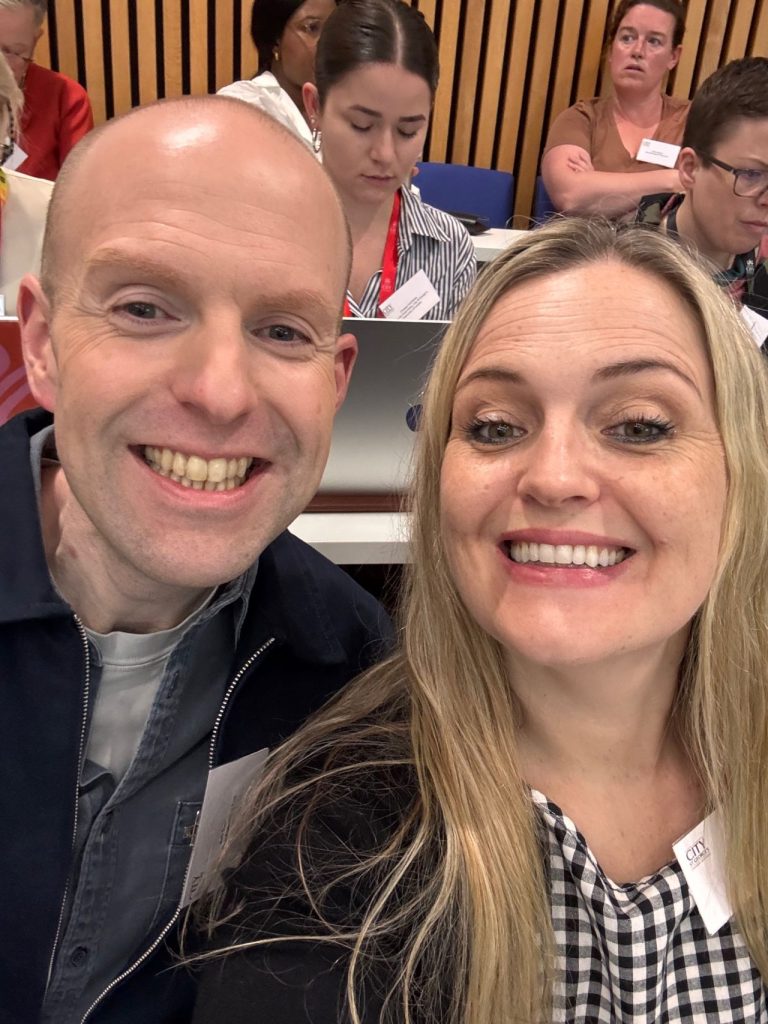
Dayna and Rob at City St George’s Food Policy Symposium
Finding common ground on school meals: The No Child Left Behind conference, 26th June
Cressida attended the No Child Left Behind Conference, bringing together campaigners, policymakers and researchers to explore how to continue building the momentum towards school meals for all children. A common thread across the afternoon a growing appetite across the sector to talk about ‘school meals for all’ rather than ‘universal free school meals’ – language that puts the emphasis on a shared entitlement to good food, rather than ability to pay. Andrew Fowler from More in Common built on this idea, sharing how values such as investing in children’s futures, shared experiences and dignity have broad appeal across the political spectrum, offering useful lessons in building consensus and political backing in the journey to secure universal school meals for all.
Protecting infant feeding in times of crisis: the case for policy support at the APPG for Infant Feeding and Inequalities, 30th June
Dayna attended the APPG for Infant Feeding and Inequalities, chaired by Jess Brown-Fuller MP, where new evidence painted a mixed picture of infant feeding support in England. Early findings from the first Infant Feeding Survey since 2010 indicate encouraging progress, with breastfeeding initiation increasing from 83% to 86% and exclusive breastfeeding at six months rising from 1% to 26%. Yet 72.1% of mothers who stopped breastfeeding said they would have liked to continue for longer; highlighting the gap between parents’ intentions and the support available to them. Discussions turned to emergency preparedness for formula-feeding families and concerns following the recent infant formula recall, underlining the importance of ensuring families are supported to feed their babies in both their day-to-day life and emergencies.
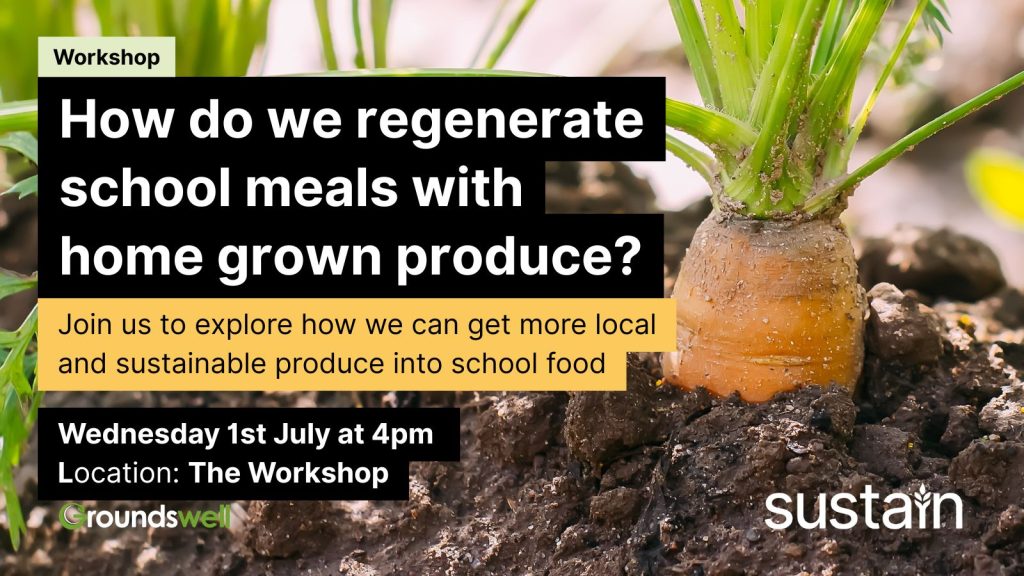
Groundswell – How do we Regenerate School Meals with Home Grown Produce? 1st July
Myles headed to Groundswell to join a panel exploring how the Government’s commitment to source 50% of public sector food locally or sustainably could work in practice. With around £5 billion spent on public sector food, including a school food marketplace worth an estimated £4 billion each year, the discussion highlighted the potential of procurement policy could deliver several benefits at once. Sourcing more school food from UK producers could support farming and horticulture, while stronger health, sustainability and social value standards could help create healthier food environments, build more resilient supply chains and support local jobs; making a strong case for why getting public sector food right could deliver benefits far beyond the plate.
Introducing our Parent Ambassadors Programme, 6th July
CThe Early Years Food Coalition was delighted to announce its new Parent Ambassadors, bringing parent and carer voices to the heart of the Coalition’s work. Led jointly by Sustain’s Children’s Food Campaign and Bremner & Co as Coalition secretariat, the programme brings together parents and carers from across the UK with their first-hand experience of feeding young children and navigating early education and childcare. Their insights will help the Coalition understand where families are seeing good practice, where challenges remain, and what fair and equitable access to nutritious food in the early years looks like in practice, ensuring the experiences of families help shape the Coalition’s priorities and advocacy.
One year on and next steps for Best Start in Life, at the APPG on Babies, 8th July
Rosie joined early years organisations and practitioners for a discussion with former Early Years Minister Olivia Bailey, marking one year since the Government published its Best Start in Life strategy. With childcare entitlements significantly expanded and Best Start Family Hubs now open in every local authority, the conversation shifted to what comes next and how to ensure families benefit from a simpler and more integrated system of support. Of particular interest was the administrative burden created by repeated childcare funding eligibility checks, currently required every three months. Acknowledging the complexity of the system, the Minister offered a useful reframe: asking “what should this feel like for a parent?”, so that support could be designed around how families navigate the existing system of programmes and services before layering on further fixes.
Our Free School Meal uplift tool: understanding the local picture, 14th July
500,000 more children are expected to become eligible for free school meals (FSM) nationally under the government’s expansion of FSM eligibility to all households receiving Universal Credit – but what does that mean at a local level? To help councils understand what the expanded entitlement could mean in their area, Myles and Cressida hosted two webinars to launch Bremner & Co’s new FSM registration uplift tool. Bringing together Universal Credit and FSM data, the tool can give local authorities clarity on the number of children who could become newly entitled. With significant variation across the country, movement between different FSM schemes, and existing recipients needing their eligibility rechecked, the sessions explored what the reforms could mean in practice and how councils can prepare.
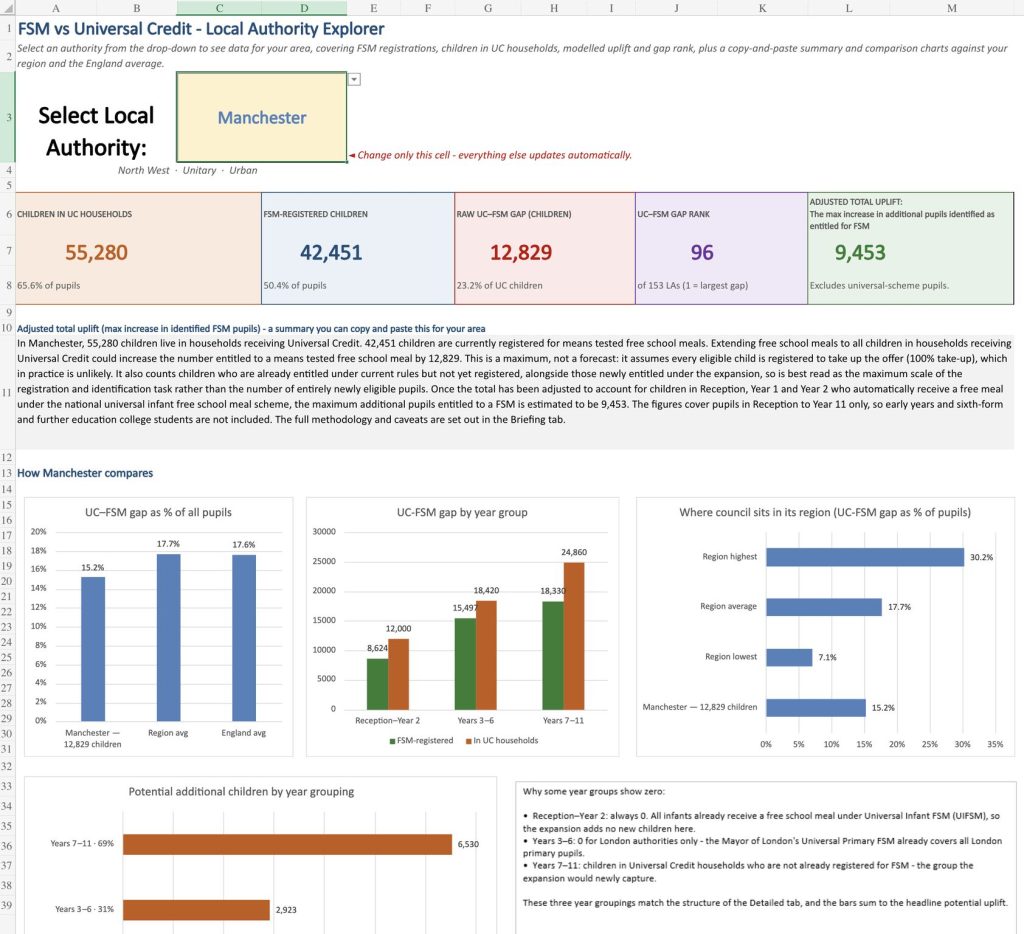
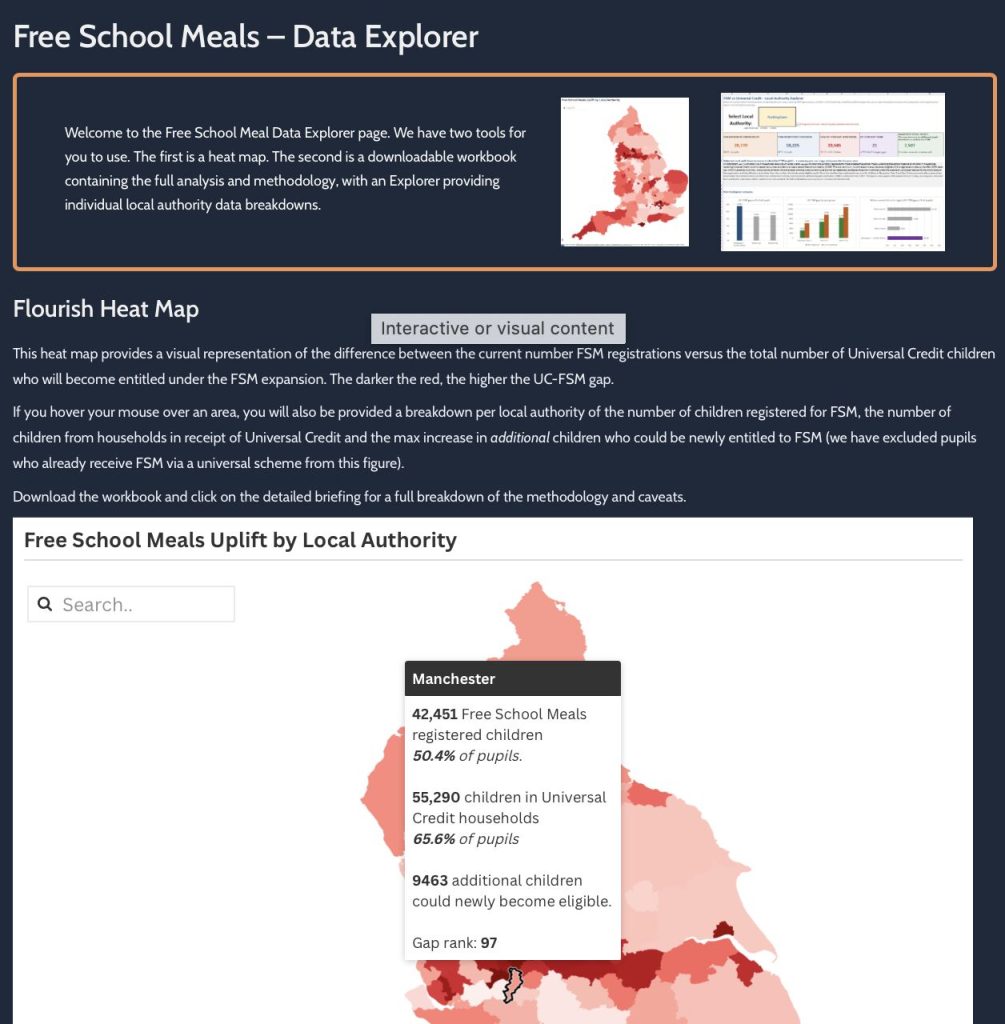
A preview of Bremner & Co’s new FSM registration uplift tool
A Central Ingredient: How Food Education Supports Pupil Outcomes, 15th July
Bremner & Co joined students, teachers, campaigners, academics, chefs, civil servants and parliamentarians for the launch of the School of Artisan Food’s ‘A Central Ingredient’ – the final report in its Best Food Forward series. The event was built around a simple idea – young people should have the confidence to ‘Learn it, See it, Live it’ when it comes to food. Research undertaken by Public First found that the benefits of good food education can stretch well beyond cooking and nutrition; supporting attendance, behaviour, attainment, wellbeing and a sense of belonging at school. With major changes underway across free school meals, breakfast clubs and School Food Standards, there was consensus that what children learn about food deserves just as much attention as what lands on their plate.
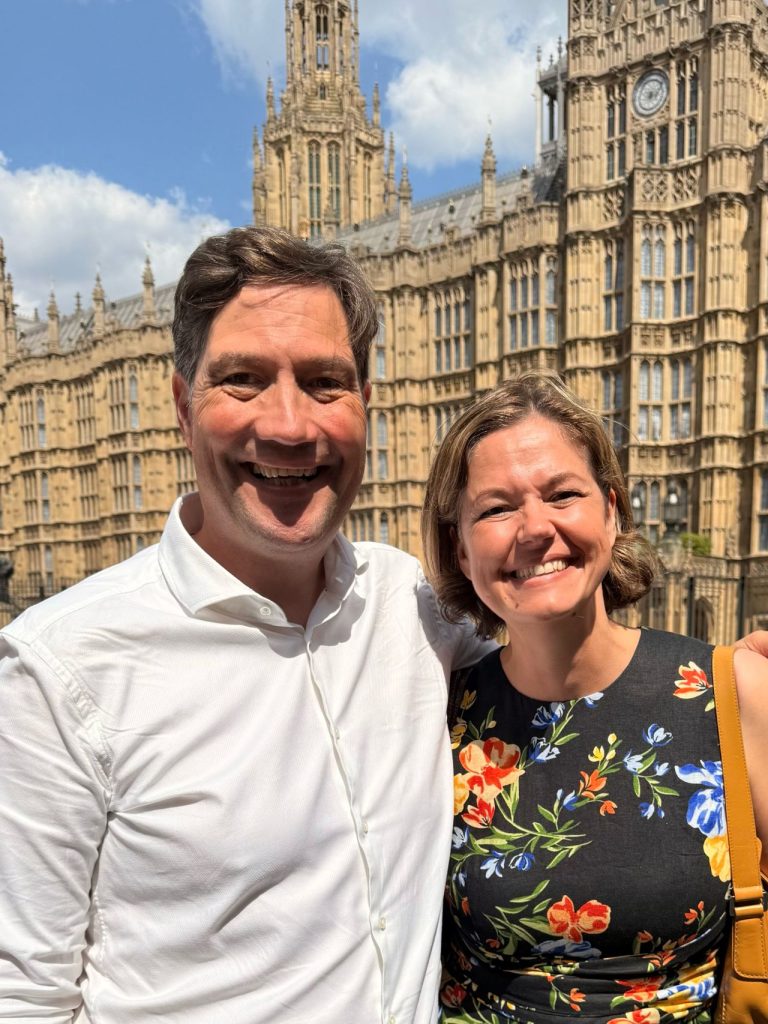
Myles and Jenny attending the launch of the School of Artisan Food’s latest report: A Central Ingredient, held at the Houses of Parliament
Sustain’s Summer Reception, 16th July
Dayna headed to the Regent’s Park allotments for Sustain’s Summer Reception, bringing together colleagues and partners from across food and farming advocacy for an evening to catch up, mark recent policy progress and reflect on the work still to come. Sharon Hodgson MP welcomed that day’s announcement of plans to ban the sale of energy drinks to under-16s. Kath Dalmeny also offered a reflection that resonated: it can be difficult to get political attention on food policy when there isn’t an immediate crisis to respond to. Her words were a reminder of the importance of the Good Food Bill, led by the Food Foundation, Green Alliance and Sustain, which would put long-term goals for a healthier and more secure food system into law, helping to maintain progress even as political priorities change.
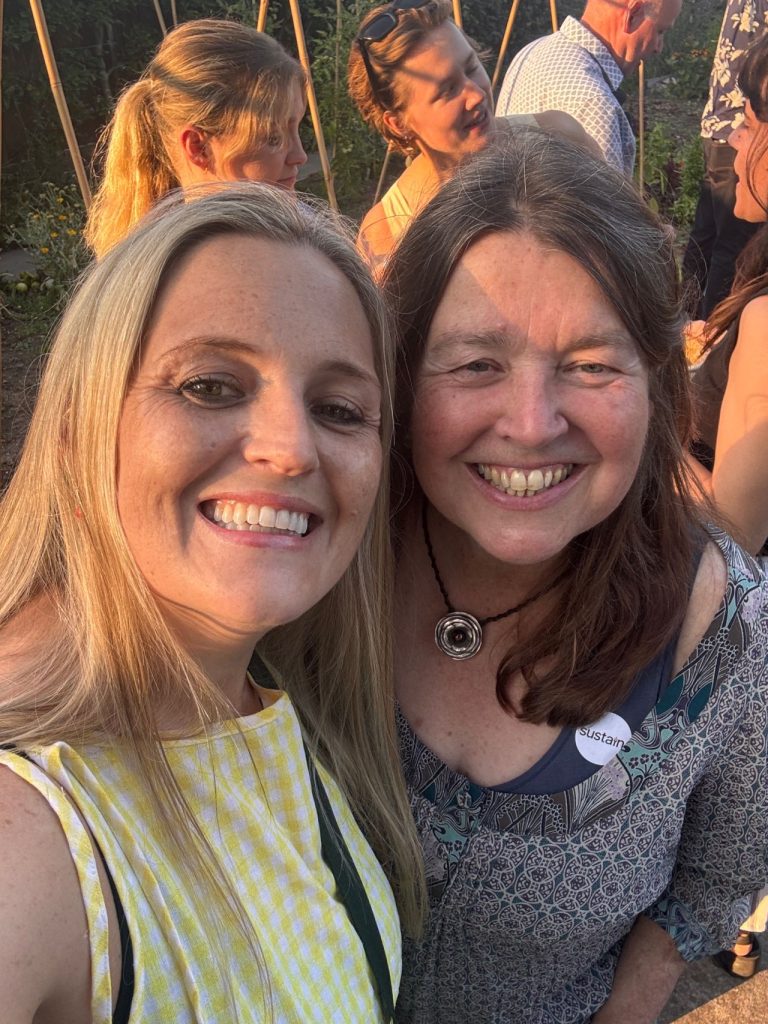
Dayna and Barbara Crowther (Sustain) at Sustain’s Summer Reception
The State of Urban Health breakfast event, 23rd July
Rosie joined the team at Impact on Urban Health (IOUH) and partners for a breakfast event marking the launch of its State of Urban Health report. It was a great opportunity to connect with IOUH partners, hear more about their fantastic and important research and consider how their findings link to our work with IOUH across early years, commercial baby food, school food and race equity. Group discussions explored what it will take to address urban health inequalities, including the need to connect local action with national influencing, keep health inequalities high on the agenda and work collaboratively across areas such as health, housing, benefits and employment.
These events always offer a valuable opportunity to learn from others across the sector, meet inspiring people and step outside of our day-to-day work to reflect on the connections across the issues we work on, informing our work more broadly as we work towards a healthier and more equitable food system.